正規店修理

正規店でスマホを修理することができます。専門のスタッフが修理にかかる期間や費用を提示してくれますし、修理が完了するまで代替機を貸し出してくれるので安心です。では、正規店で修理依頼するとどのようなメリットがあるのでしょうか。

正規店でスマホを修理することができます。専門のスタッフが修理にかかる期間や費用を提示してくれますし、修理が完了するまで代替機を貸し出してくれるので安心です。では、正規店で修理依頼するとどのようなメリットがあるのでしょうか。

iPhoneの故障や破損トラブルのほとんどは自分で直すのが難しいため、修理店に修理を依頼することになりますが、その際にどこに修理を依頼したら良いかで悩む人が多いと思います。正規店に依頼する方法と、…
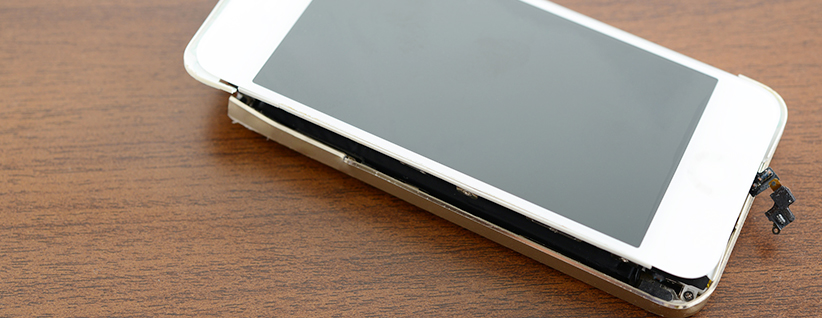
iPhoneを修理に出すには必要なものがあります。修理代金を支払うためのお金はもちろんですが修理品を必ず持っていきましょう。修理にはシリアルナンバーや型番から必要なパーツなどを修理業者は用意しなけ…
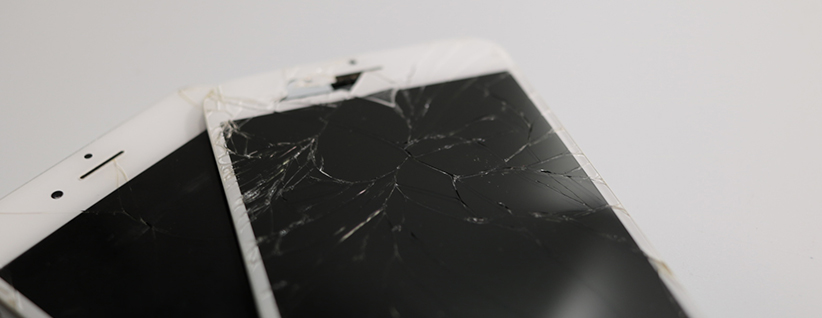
使用していたiPhoneが壊れてしまった場合、まず正規店で修理をしようと考える人が多いのではないでしょうか。正規店で使うiPhoneの部品はすべて正規品です。修理の質が高いということもあり、正規店を選ぶ人が多いようです。ただし、iPhone修理を正規店で行うという場合、注意したい点もあります。正規店だと修理に出す前に自分でデータのバックアップをしなければいけません。バックアップをせずに修理に出してしまうと、電話番号やメールアドレス、ダウンロードしたアプリや大切な写真といったデータ全てが消えてしまうためです。個人情報保護の観点から正規店で、このようなデータのバックアップは行っていないため、自分で前もってしておく必要があります。
正規店でiPhonの修理を行った場合、非正規店よりも費用が高くなりがちという点も注意したいポイントです。例えば、画面が割れてしまったのを修理した場合、正規店の相場はAppleCare+という保証に入っている場合、3400円という金額になります。もし、この保証に入っていなかった場合、正規店で画面割れの修理を行うと1万4800円から1万6800円という高額な費用がかかります。非正規店で画面割れの修理を依頼した場合にかかる平均的な相場は、4800円から1万5000円程度です。ホームボタンの故障やバッテリー交換においても、保証に入っているかどうかで修理代がかなり変わってきます。もし、iPhonが壊れてしまったら正規店で修理したいと考えているのであれば、事前に保証に入っておくのがおすすめです。
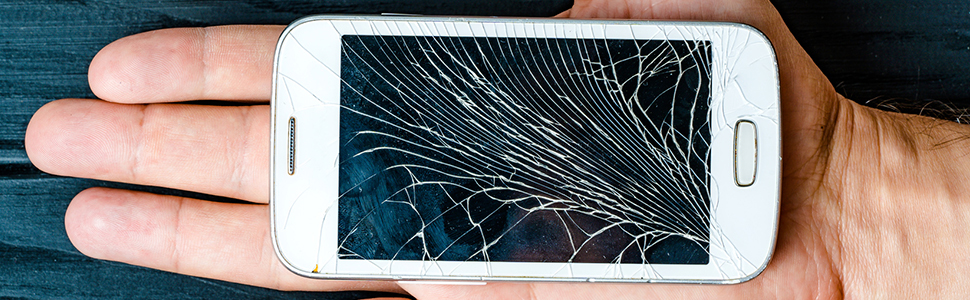
正規店以外でも修理を受け付けている業者があります。専門知識のある修理業者は各地に点在しているので利用しやすいのも魅力です。そんなスマホ修理業者ですが正規店で修理するよりもどんなメリットが有るのでしょう。